
A first consultation is most useful when you arrive with a clear picture of what happened and what documents exist. You do not need everything perfectly organised. Bring what you have, and say what you are unsure about.
Documents to bring
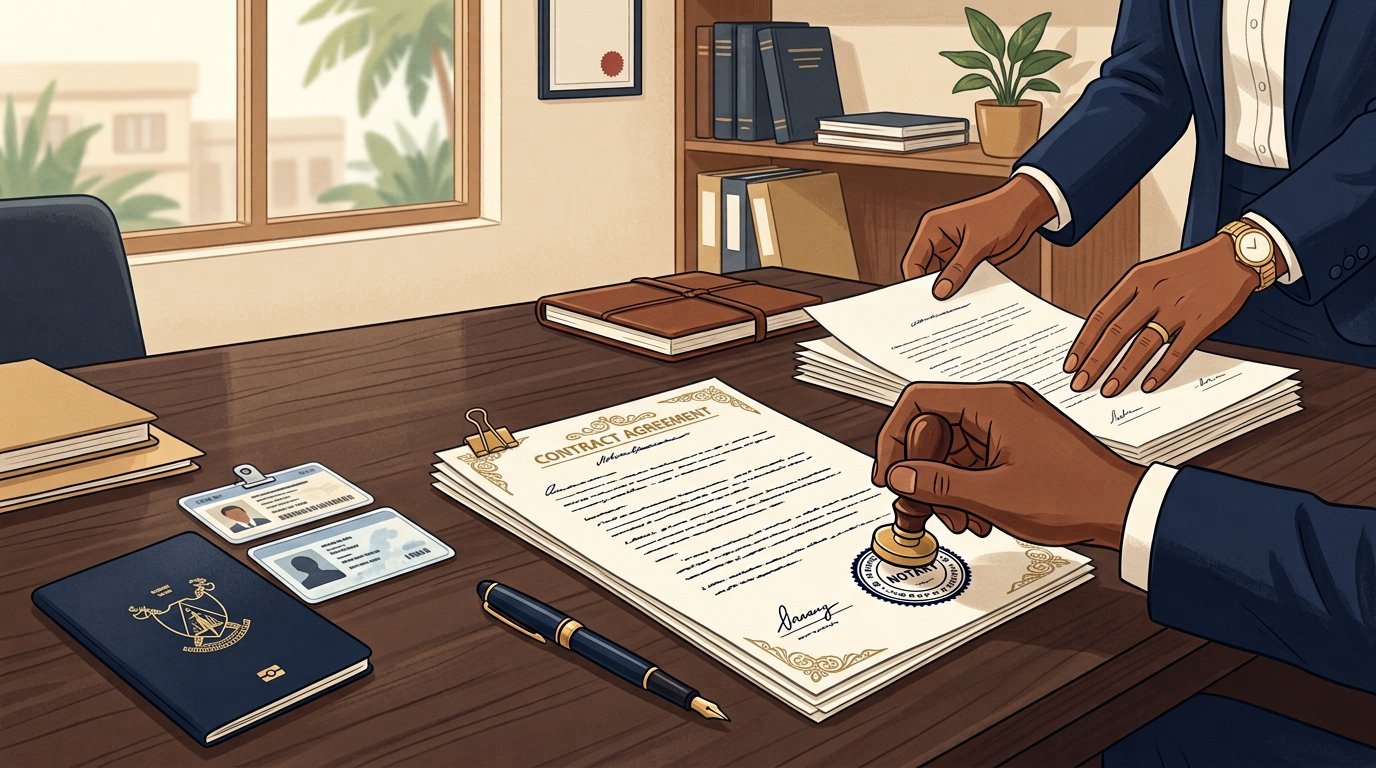
- Identification documents where appropriate.
- Contracts, agreements or receipts relevant to your matter.
- Court papers, letters, notices or official correspondence.
- Photos or records of property, where relevant.
Notes to prepare
Write a short timeline of key events with dates, the names of the people involved, and any steps already taken. Note any deadlines you have been given, as these can be important.
Protect sensitive information
Do not share highly sensitive documents through an unsecured channel without first agreeing how they should be sent. Keep copies of everything you bring.
Questions to write down
Write down what you want to achieve and the questions you want answered. This keeps the conversation focused.
To book a consultation, visit our contact page. You can also review our frequently asked questions before you come in.
2026 update: First legal consultation questions should be assessed against the actual documents, dates and people involved. The firm is based in Bamenda and accepts enquiries across the North-West; it confirms the scope and arrangements for each matter.
First legal consultation: practical documents and checks
A first legal consultation is more useful when the lawyer can see the key records, dates and decision the client needs help with. Bring the complete document if possible, write down what happened and flag any hearing or response date. Do not send confidential files before a secure process is confirmed.
Documents to organize
- A one-page timeline and the decision or question you want addressed.
- Relevant agreements, notices, receipts, messages or court documents.
- Names of people involved and dates that may be important.
- Any deadline, urgent safety concern or previous advice already received.
Possible next steps
Before making an irreversible decision, create a dated record and ask a qualified lawyer what the available options are for your specific facts. A general online guide cannot determine a legal outcome.
- Start with a brief summary and identify what is confirmed versus uncertain.
- Ask about the scope of the consultation, fees and next steps.
- Share documents through the channel the firm confirms.
- Keep a note of advice and any tasks or dates agreed.
Common pitfalls to avoid
- Sending a large file of unrelated documents without explaining the issue.
- Waiting until a deadline passes before mentioning it.
- Assuming an enquiry automatically creates a lawyer-client relationship.
Advice from the Bamenda office for North-West clients
The Bamenda-based firm accepts enquiries from all North-West divisions. Contact the office before travelling to confirm the appointment format and documents to bring. State the location, any current notice or hearing date, and what decision you need help with. Do not send confidential case records until the firm confirms an appropriate secure channel.
For institutional background, consult Cameroon Bar Association. The external resource is general information, not a substitute for advice about a particular matter.
Related legal guidance
- Related service: Notary And Contract Services
- Notary Public in Bamenda: Documents to Bring for an Appointment
- Power of Attorney Lawyer in Cameroon: Scope and Safeguards
- Read the related FAQ
- Contact the Bamenda office
If you would like to discuss the issue, contact Elad Nguh & Partners with a brief, non-confidential summary. An enquiry does not automatically create a lawyer-client relationship.
One Response